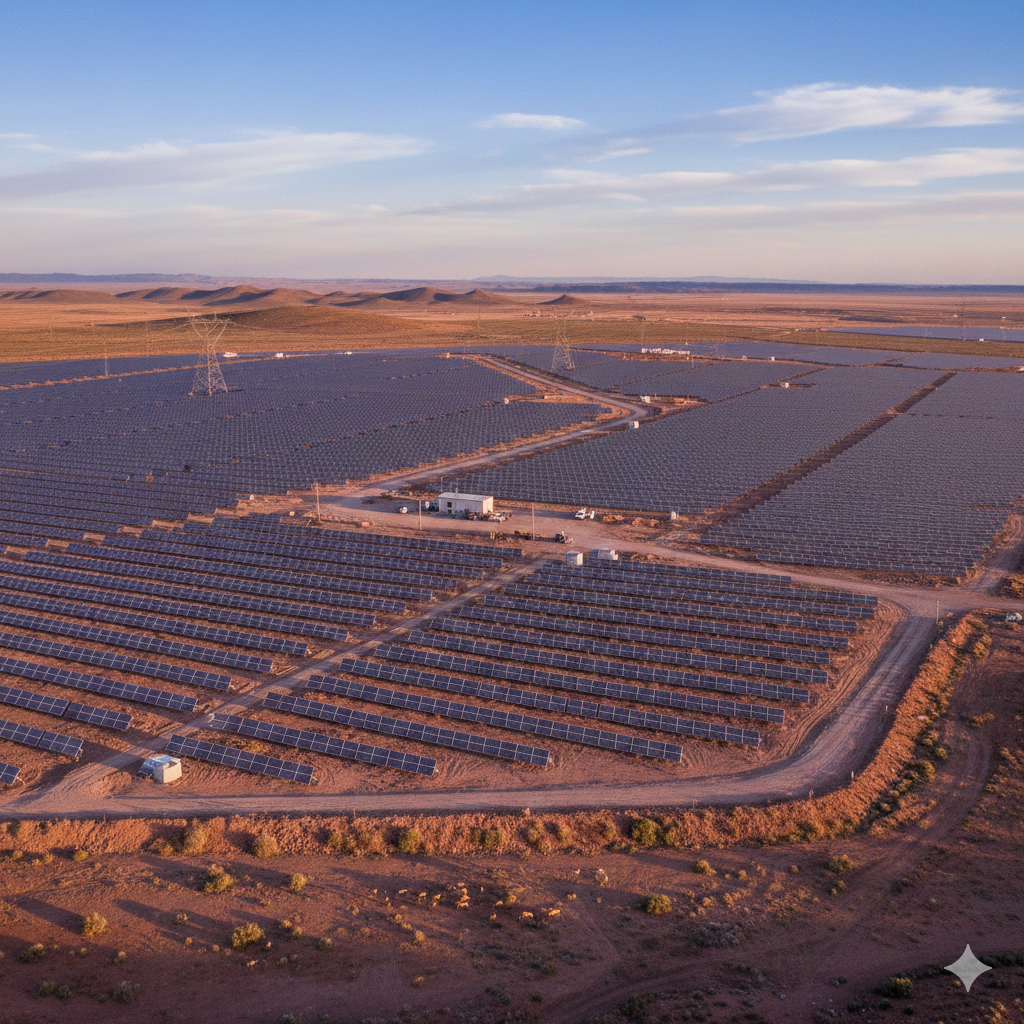
As the United States accelerates its transition toward clean energy, one company stands at the center of the movement: First Solar. Amid rising electricity demand, climate concerns, and federal incentives, First Solar is playing a critical role in expanding U.S. renewable energy capacity, strengthening domestic manufacturing, and reshaping the American supply chain.
This surge is not just about panels — it’s about energy independence, job creation, and long-term sustainability.
America’s Growing Demand for Renewable Energy
The United States has seen record-breaking growth in solar installations over the past decade. Utility-scale solar farms now power millions of homes, and corporations are increasingly committing to 100% renewable energy goals.
Several factors are fueling this growth:
- Federal clean energy incentives
- Corporate sustainability commitments
- Rising fossil fuel costs
- Advances in solar panel efficiency
- Grid modernization efforts
Solar energy has become one of the fastest-growing sources of electricity generation in the country — and companies like First Solar are scaling production to meet demand.
What Makes First Solar Different?
Unlike many competitors that rely on crystalline silicon panels manufactured overseas, First Solar specializes in thin-film photovoltaic (PV) technology. This innovative approach offers several advantages:
1. Domestic Manufacturing Leadership
First it operates large-scale manufacturing facilities in the United States, helping reduce reliance on imported panels and strengthening the domestic clean energy supply chain.
2. Advanced Thin-Film Technology
The company’s cadmium telluride (CdTe) thin-film modules perform well in high temperatures and low-light conditions — making them particularly effective in desert and utility-scale environments.
3. Lower Carbon Footprint
First Solar’s production process uses less energy compared to traditional silicon-based panels, resulting in a smaller lifecycle carbon footprint.
The Impact of Federal Policy and the Inflation Reduction Act
The 2022 Inflation Reduction Act (IRA) provided historic incentives for U.S. clean energy manufacturing and deployment. This legislation significantly benefits domestic producers like First Solar by offering:
- Advanced manufacturing tax credits
- Investment tax credits (ITC) for projects
- Production tax credits (PTC)
- Incentives for American-made components
As a result, First Solar has expanded manufacturing capacity across multiple states, contributing billions of dollars in domestic investment.
Expanding U.S. Manufacturing Capacity
To meet increasing demand, First solar has announced and developed new manufacturing facilities in states such as:
- Ohio
- Alabama
- Arizona
These expansions are expected to add gigawatts of annual production capacity, reinforcing America’s position in the global renewable energy market.
The company’s growth strategy aligns with national priorities to:
- Strengthen energy security
- Create high-skilled manufacturing jobs
- Reduce supply chain vulnerabilities
- Accelerate clean power deployment
Job Creation and Economic Impact
First Solar’s expansion supports thousands of direct and indirect jobs across engineering, manufacturing, logistics, and construction sectors.
Economic benefits include:
- Local infrastructure investment
- Workforce training programs
- Supply chain partnerships with U.S.-based vendors
- Increased tax revenues for local communities
In many regions, solar manufacturing is revitalizing areas previously dependent on declining industrial sectors.
Utility-Scale Projects Powering the Grid
First Solar primarily supplies panels for large utility-scale farms, which provide clean electricity directly to the grid. These projects:
- Reduce reliance on coal and natural gas
- Stabilize long-term energy costs
- Help utilities meet renewable portfolio standards
- Support corporate renewable energy procurement
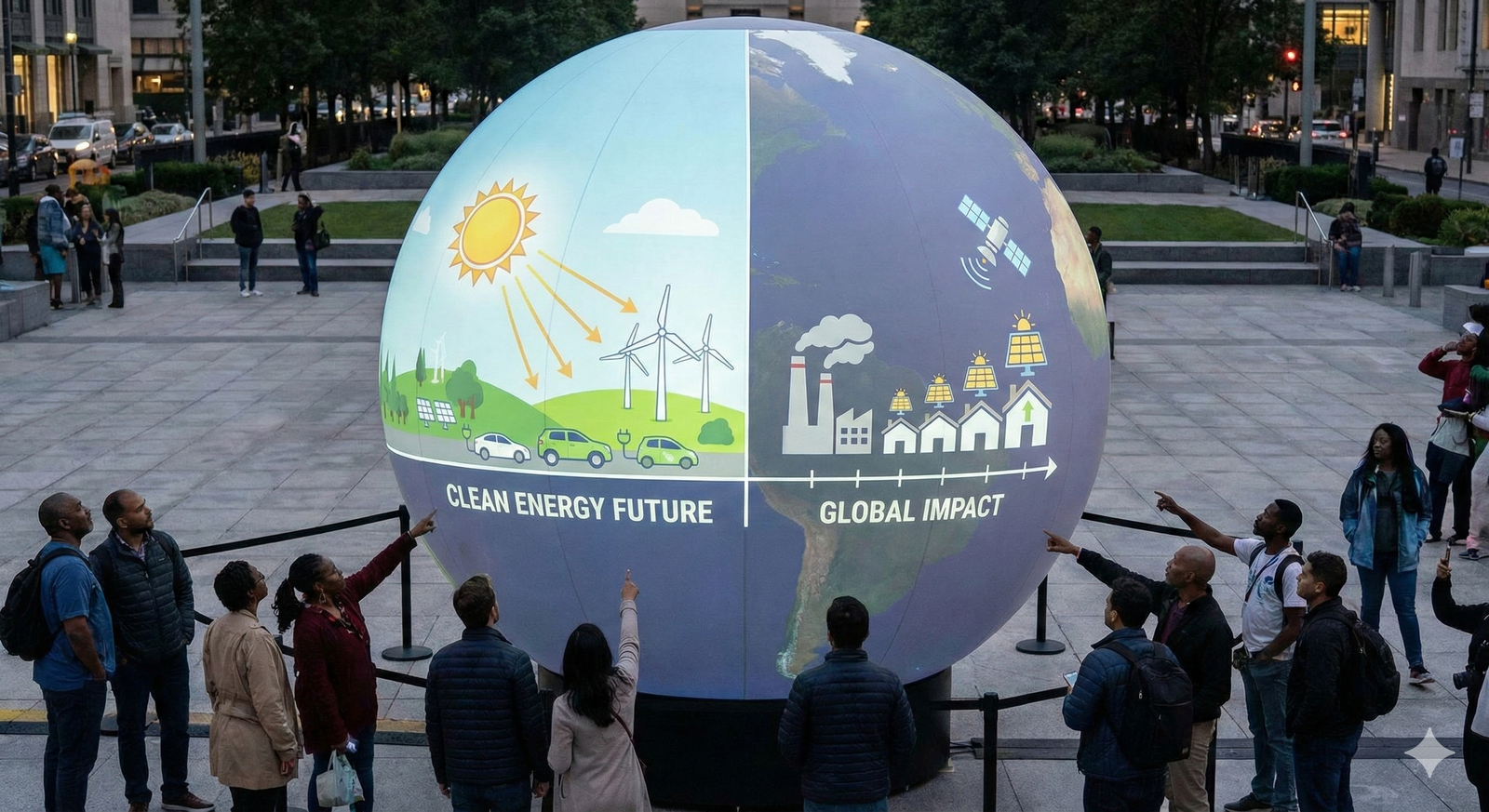
As electricity demand increases due to EV adoption and AI data centers, large-scale solar deployment becomes even more critical.
Competing in a Global Solar Market
The global industry is highly competitive, with significant production from Asia. However, First Solar differentiates itself by focusing on:
- Domestic manufacturing
- Advanced thin-film efficiency
- Sustainable production practices
- Strong utility partnerships
Its American manufacturing base positions the company as a strategic asset in the clean energy transition.
Challenges Ahead
Despite rapid growth, challenges remain:
- Grid interconnection delays
- Transmission infrastructure bottlenecks
- Global price competition
- Raw material supply risks
However, continued innovation and supportive policy frameworks could help mitigate these obstacles.
The Future of Solar Energy in the United States
Solar energy is projected to remain a leading source of new electricity generation capacity in the coming decades. With its manufacturing expansion, technological innovation, and strategic positioning, First Solar is set to remain a major driver of:
- U.S. renewable energy growth
- Domestic clean tech leadership
- Carbon emissions reduction
- Energy independence

Conclusion: A New Era for American Renewable Energy
The surge in the United States is more than a trend — it’s a structural shift in how the nation produces and consumes energy. Through domestic manufacturing, advanced photovoltaic technology, and alignment with federal clean energy goals, First Solar is expanding U.S. renewable energy at a critical moment in history.
As the clean energy transition accelerates, companies like First Solar are not only powering homes and businesses — they’re helping power America’s sustainable future.