Meta Description:
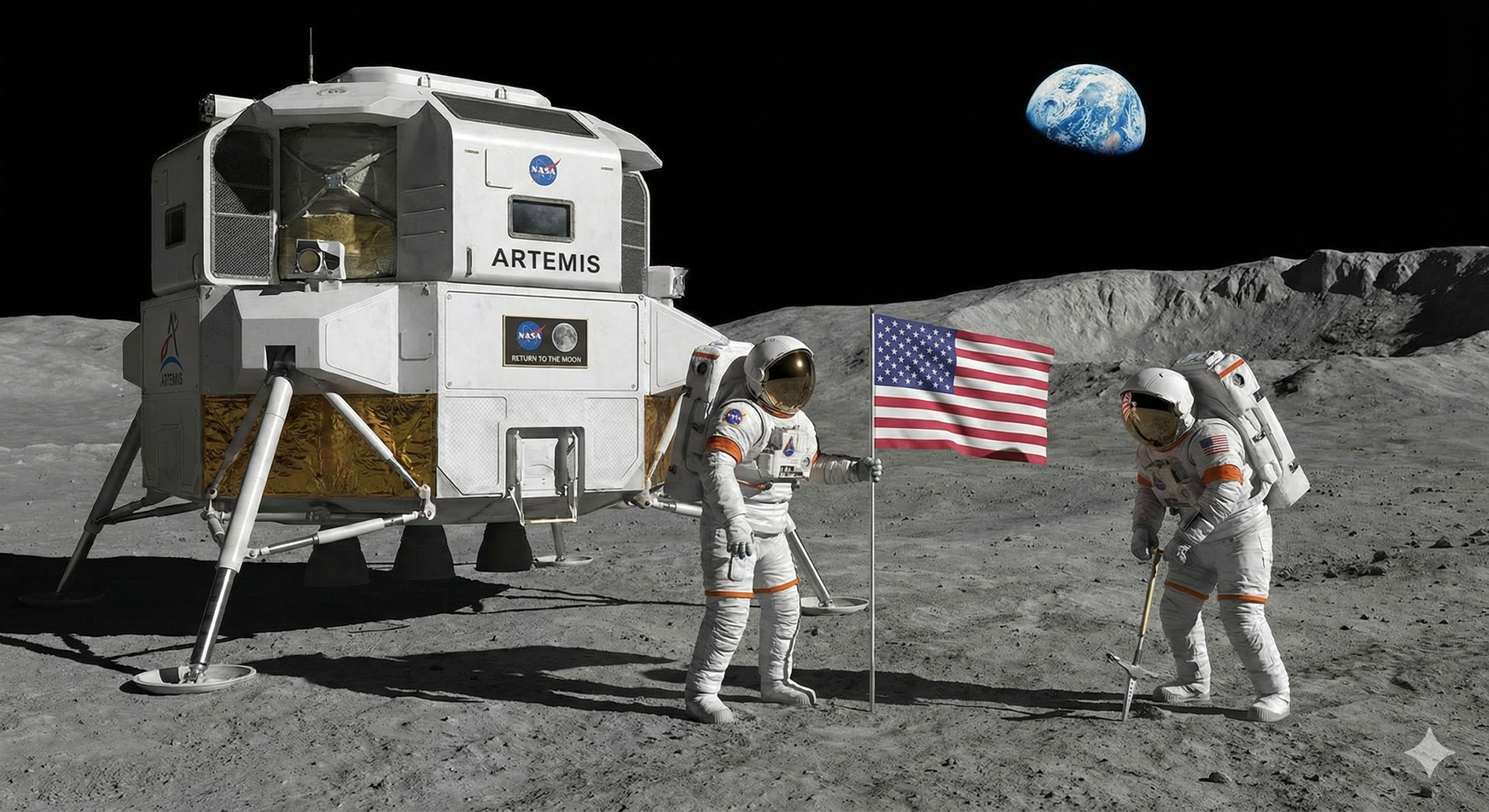
NASA’s Artemis Program marks humanity’s return to the Moon, aiming to land the first woman and first person of color on the lunar surface, establish a sustainable presence, and prepare for future missions to Mars.
Introduction: NASA’s Bold Return to the Moon
After more than 50 years since the historic Apollo 17 mission, NASA is leading a new era of lunar exploration through the Artemis Program. This ambitious initiative aims to return astronauts to the Moon, establish a long-term human presence, and use lunar missions as a stepping stone for future exploration of Mars.
The Artemis Program represents the next giant leap in space exploration—combining advanced technology, international collaboration, and commercial partnerships.
What Is the Artemis Program?
The Artemis Program is NASA’s comprehensive plan to:
- Return humans to the Moon
- Land the first woman and first person of color on the lunar surface
- Build sustainable lunar infrastructure
- Prepare for human missions to Mars
Named after Artemis, the twin sister of Apollo in Greek mythology, the program builds upon the legacy of the Apollo missions while introducing cutting-edge technology and modern partnerships.
Why Is NASA Returning to the Moon?
1. Scientific Discovery
The Moon preserves ancient records of the early solar system. By studying lunar rocks, regolith, and water ice deposits, scientists can better understand planetary formation and Earth’s early history.
2. Lunar Resources and Water Ice
NASA plans to focus on the Moon’s South Pole, where water ice has been detected in permanently shadowed craters. Water ice can be converted into:
- Drinking water
- Oxygen for breathing
- Hydrogen for rocket fuel
This makes the Moon a potential refueling station for deep space missions.
3. Preparing for Mars
The Artemis missions serve as a testing ground for technologies required for Mars exploration. The Moon is only three days away from Earth, making it an ideal location to test life-support systems, habitats, and deep-space operations.
Key Technologies Powering Artemis
Space Launch System (SLS)
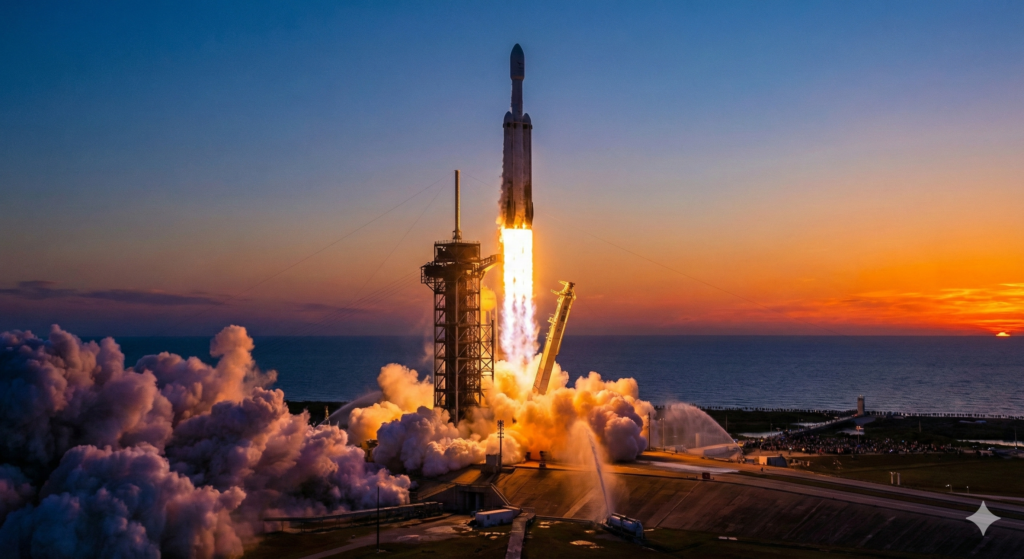
The Space Launch System (SLS) is NASA’s most powerful rocket ever built. It is designed to carry astronauts and cargo beyond low Earth orbit and provide the thrust necessary for deep-space missions.
Orion Spacecraft
The Orion capsule will transport astronauts to lunar orbit. Orion includes advanced life-support systems, radiation protection, and high-speed Earth reentry capabilities.
Lunar Gateway
The Lunar Gateway is a small space station that will orbit the Moon. It will serve as a staging point for missions to the lunar surface and future Mars expeditions. The Gateway is being developed in partnership with the European Space Agency, Japan Aerospace Exploration Agency, and Canadian Space Agency.
Human Landing System (HLS)
NASA has partnered with commercial companies to develop lunar landers. Notably, SpaceX is building a lunar version of its Starship to carry astronauts from lunar orbit to the Moon’s surface.
Artemis Missions Timeline
Artemis I (2022)
An uncrewed test mission that successfully sent Orion around the Moon and back to Earth, proving the capabilities of the SLS rocket and spacecraft systems.
Artemis II
Planned as the first crewed mission of the program, Artemis II will send astronauts on a lunar flyby, testing life-support and deep-space systems with a human crew onboard.
Artemis III
Artemis III aims to land astronauts near the Moon’s South Pole. This mission will mark the first human lunar landing since Apollo and the first time a woman sets foot on the Moon.
Future Artemis missions (IV and beyond) will focus on building permanent lunar infrastructure and enabling long-duration stays.
International Collaboration and the Artemis Accords
The Artemis Program is built on global cooperation. The Artemis Accords outline principles for peaceful exploration, transparency, interoperability, and responsible resource use in space.
This collaborative framework reflects a shift from Cold War competition to multinational partnerships in space exploration.
Economic and Technological Impact
The Artemis Program is expected to drive innovation in:
- Advanced propulsion systems
- Space habitats
- Robotics and AI
- Sustainable energy solutions
Commercial partnerships are reshaping the space industry, creating jobs and fostering private-sector innovation.
The Future of Human Space Exploration
NASA’s return to the Moon is not just about revisiting the past—it’s about building the future. Artemis lays the foundation for:
- Permanent lunar bases
- Deep-space exploration missions
- Human missions to Mars
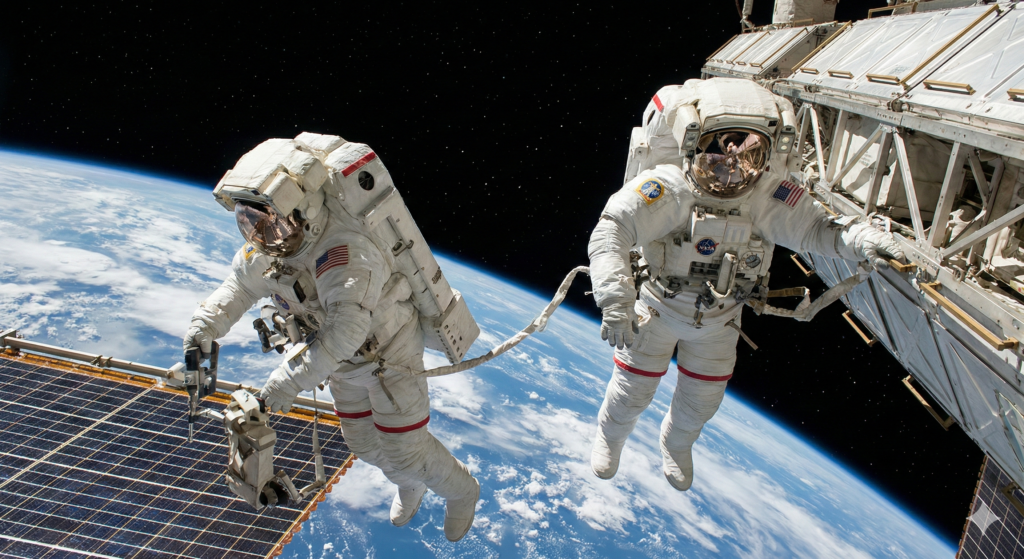
By establishing a sustainable presence on the Moon, NASA is taking the next critical step toward making humanity a multi-planetary species.
Conclusion
NASA’s Artemis Program represents a historic and strategic return to the Moon. With powerful rockets, advanced spacecraft, international cooperation, and commercial innovation, Artemis is ushering in a new era of human exploration.
As the world watches astronauts prepare to once again walk on the lunar surface, Artemis symbolizes not just a return—but the beginning of humanity’s long-term future in deep space.