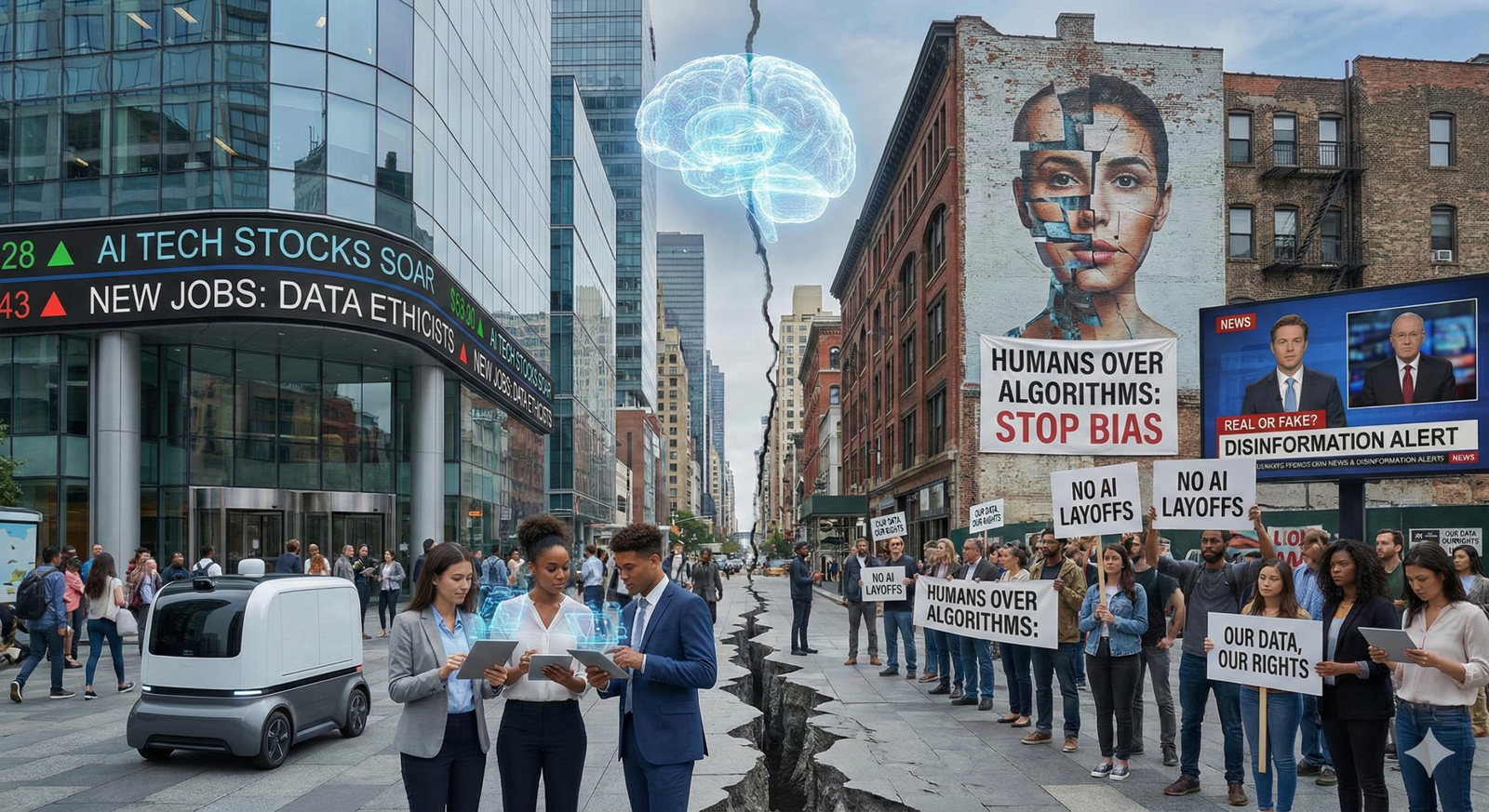
Artificial intelligence (AI) is transforming the United States at a historic pace. From automating customer service to reshaping healthcare diagnostics and financial markets, AI is driving major economic growth while raising serious ethical concerns. As businesses, lawmakers, and workers adapt, the debate around AI’s economic and ethical disruption in the United States has become one of the most important issues of 2026.
This article explores how AI is reshaping the U.S. economy, the industries most affected, job displacement concerns, regulatory efforts, and the ethical challenges surrounding privacy, bias, and accountability.
How AI Is Reshaping the U.S. Economy
AI is no longer experimental technology — it is a core driver of economic productivity. Companies across sectors are using machine learning, automation, and generative AI to reduce costs, improve efficiency, and create new revenue streams.
Key Economic Impacts and Ethical Disruption of AI in the United States
- Increased Productivity: AI tools automate repetitive tasks, allowing workers to focus on strategic decision-making.
- Corporate Cost Reduction: Businesses are cutting operational costs through AI-driven automation.
- New Industry Creation: AI startups and AI-integrated companies are fueling investment and job creation.
- GDP Growth Potential: Economists estimate AI could add trillions of dollars to the U.S. economy over the next decade.
Major sectors experiencing disruption include:
- Finance (algorithmic trading, fraud detection)
- Healthcare (AI diagnostics, robotic surgery)
- Retail (personalized recommendations, inventory automation)
- Manufacturing (predictive maintenance, robotics)
- Transportation (self-driving technology)
While these innovations bring economic growth, they also introduce instability in labor markets.
Job Displacement and Workforce Transformation (Ethical Disruption)
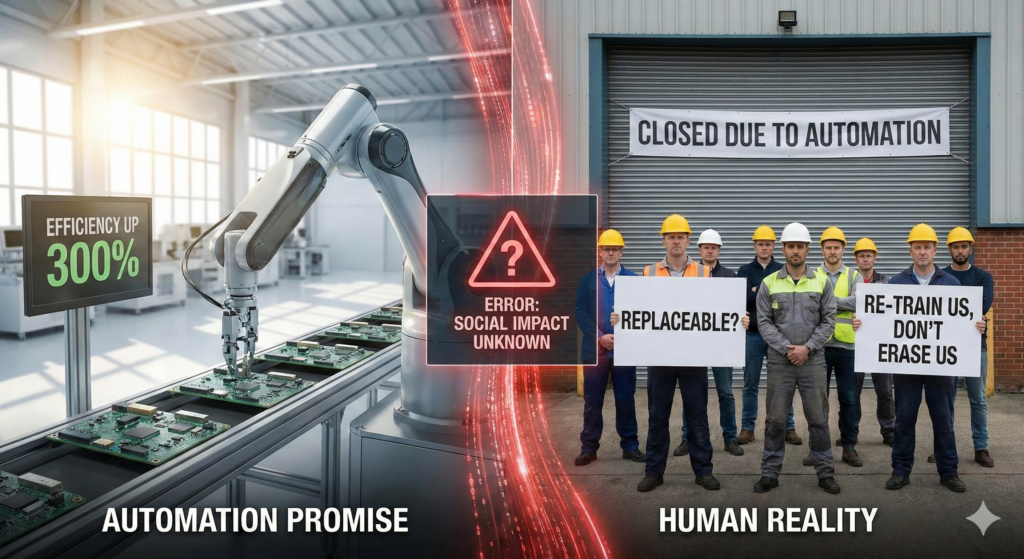
One of the most debated aspects of AI disruption is job loss. Automation is replacing certain repetitive or administrative roles, particularly in:
- Customer service
- Data entry
- Basic content creation
- Administrative support
- Warehouse operations
However, AI is also creating demand for:
- AI engineers and developers
- Data scientists
- Cybersecurity specialists
- AI ethics and compliance officers
- Prompt engineers and AI trainers
The Skills Gap Challenge
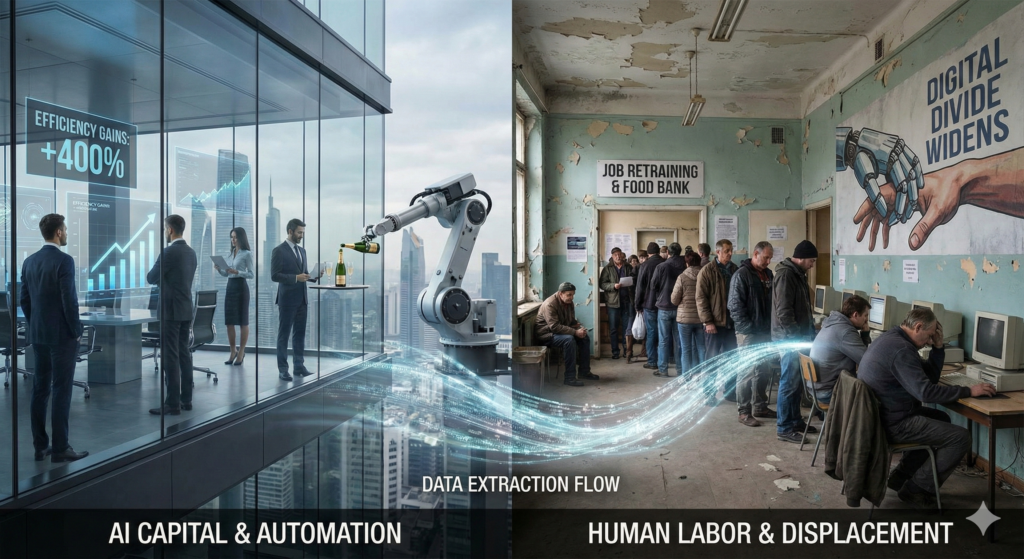
The rapid growth of AI technologies has exposed a major skills gap in the U.S. workforce. Many displaced workers lack the technical training needed for AI-related roles. Without large-scale reskilling programs, income inequality may widen.
Government and private sector partnerships are increasingly investing in:
- AI workforce training programs
- Community college tech certifications
- Corporate upskilling initiatives
- STEM education expansion
The future of work in America will likely involve human-AI collaboration, rather than full automation.
Ethical Disruption Concerns Surrounding Artificial Intelligence
Beyond economic disruption, AI presents serious ethical challenges that lawmakers and technology leaders are racing to address.
1. Bias and Discrimination
AI systems trained on biased data can produce discriminatory outcomes in:
- Hiring decisions
- Loan approvals
- Criminal justice risk assessments
- Healthcare recommendations
Without transparent oversight, algorithmic bias could reinforce systemic inequality.
2. Data Privacy and Surveillance
AI relies heavily on vast amounts of personal data. Concerns include:
- Mass data collection
- Facial recognition surveillance
- Unauthorized use of consumer information
- Weak federal privacy protections
The lack of comprehensive national data privacy legislation in the U.S. has intensified these concerns.
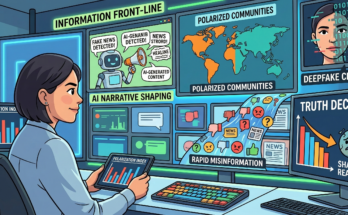
3. Misinformation and Deepfakes
Generative AI tools can create highly realistic fake content which causes Ethical disruption, including:
- Deepfake videos
- Synthetic news articles
- Manipulated political messaging
This poses risks to democratic institutions and public trust.
4. Accountability and Transparency
When AI systems cause harm — such as faulty medical advice or financial errors — determining responsibility can be complex. Should accountability fall on developers, companies, or users?
Clear regulatory frameworks are still evolving.
AI Regulation in the United States
The U.S. government is actively debating AI regulation while attempting to maintain global competitiveness.
Current regulatory efforts include:
- Federal AI safety standards
- Executive orders on AI transparency
- Congressional hearings on AI risks
- State-level AI legislation (e.g., California’s AI disclosure laws)
Unlike the European Union’s comprehensive AI Act, the U.S. approach remains fragmented and industry-driven. Critics argue stronger national standards are necessary to prevent harm without stifling innovation.
Balancing economic growth with ethical safeguards remains the central policy challenge.
AI and Economic Inequality
AI adoption may deepen economic divides if benefits are concentrated among:
- Large technology corporations
- Highly skilled tech professionals
- Major metropolitan areas
Rural communities and low-income workers may face disproportionate job displacement. Policymakers are considering tax reforms, education funding, and social safety nets to mitigate inequality caused by AI automation.
The Future of AI in America
Artificial intelligence will continue reshaping American society in the coming decade. The question is not whether AI will disrupt the economy — it already has — but how the United States will manage its economic opportunities and ethical risks.
To ensure responsible AI development, experts emphasize:
- Transparent AI systems
- Strong data protection laws
- Workforce reskilling initiatives
- Corporate accountability standards
- Public-private collaboration
If managed correctly, AI could drive unprecedented innovation and economic growth. If mishandled, it could exacerbate inequality, erode privacy, and weaken democratic institutions.
Conclusion
AI’s economic and ethical disruption in the United States represents one of the defining challenges of the 21st century. While artificial intelligence is fueling productivity and economic expansion, it also raises urgent concerns about job displacement, privacy, bias, and accountability.
The future of AI in America depends on striking a careful balance between innovation and regulation — ensuring technological progress benefits society as a whole.