How Climate Extremes in the United States Are Changing Vehicle Maintenance
Climate extremes in the United States are no longer rare events—they’re becoming part of everyday life. From record-breaking heat waves and severe winter storms to flooding, hurricanes, and wildfires, these environmental shifts are having a direct impact on vehicles and how Americans maintain them. As a result, vehicle maintenance in the U.S. is changing, becoming more frequent, more preventive, and more expensive.
This article explores how climate extremes affect cars, trucks, and SUVs—and what drivers can do to adapt.
Climate Extremes and Vehicle Maintenance: Why It Matters
Vehicles are designed to operate within certain environmental limits. When temperatures swing wider, storms become stronger, and weather patterns grow more unpredictable, vehicle components wear out faster. For U.S. drivers, this means shorter maintenance intervals, higher repair costs, and increased risk of breakdowns if preventive care is ignored.
Understanding how climate change affects vehicle maintenance is now essential for protecting both safety and long-term ownership costs.
Extreme Heat Is Accelerating Wear and Tear
Rising temperatures across much of the United States—especially in the South, Southwest, and Midwest—are placing vehicles under sustained heat stress.
Heat-Related Maintenance Issues
- Battery failure: Extreme heat shortens the lifespan of both traditional car batteries and EV batteries.
- Cooling system strain: Radiators, coolant, hoses, and water pumps work harder, increasing the risk of overheating.
- Tire damage: Hot pavement raises tire pressure and accelerates tread wear, increasing blowout risk.
- Fluid breakdown: Engine oil, transmission fluid, and brake fluid degrade faster in high temperatures.

Maintenance Adaptations
Drivers in hot climates are now advised to check coolant levels more often, replace batteries sooner than expected, and monitor tire pressure year-round—not just in summer.
Extreme Cold Still Causes Major Maintenance Challenges
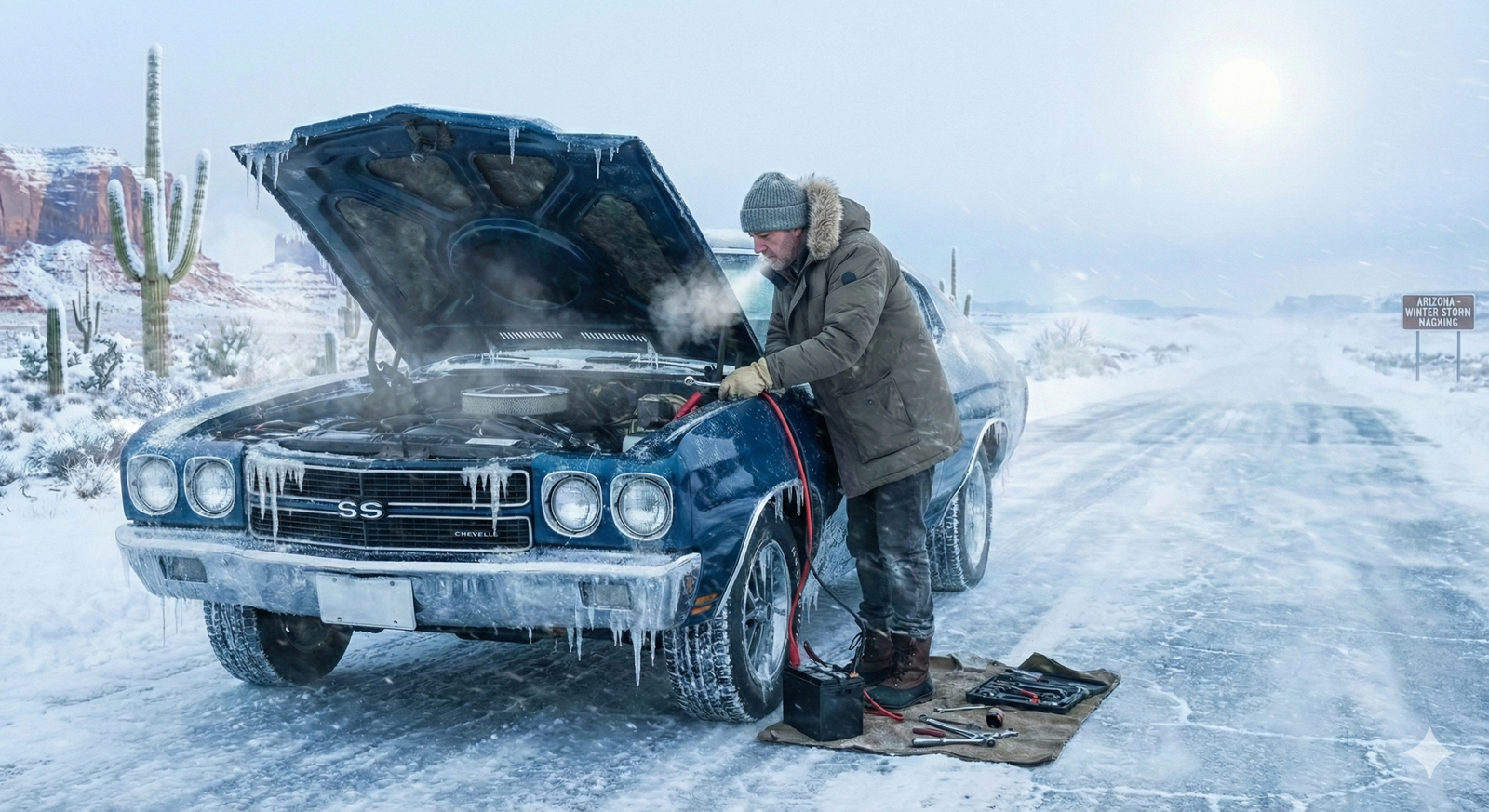
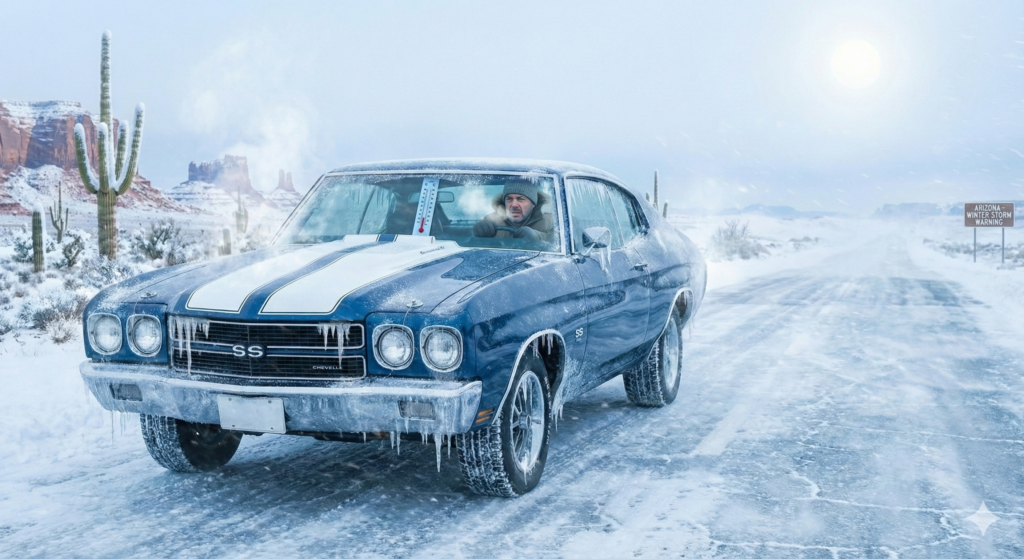
While average temperatures are rising, extreme cold events remain a serious problem, particularly in the Northeast, Midwest, and Mountain states.
Cold-Weather Vehicle Impacts
- Battery capacity drops, making cold starts harder and increasing replacement frequency.
- Thickened engine oil increases engine wear during startup.
- Lower tire pressure affects handling and fuel efficiency.
- Brittle rubber components (hoses, belts, seals) are more prone to cracking.
Salt and Corrosion
In cold regions, road salt and de-icing chemicals accelerate corrosion on brake lines, suspension components, and undercarriages—forcing drivers to invest more in rust prevention and inspections.
Flooding and Heavy Rain Are Increasing Electrical Damage to the Vehicle
Climate extremes have also brought more intense rainfall and flooding, especially in coastal areas and along major river systems.
Flood-Related Vehicle Maintenance Issues
- Electrical system failures due to water intrusion
- Corrosion in brakes, wiring, and undercarriage components
- Mold and interior damage
- Reduced lifespan of sensors and onboard computers
Even shallow flooding can cause long-term damage that doesn’t show up immediately, making post-storm inspections increasingly important for U.S. drivers.
Severe Weather Events Are Driving Repair Costs Higher
Hurricanes, hailstorms, wildfires, and severe wind events are becoming more frequent and destructive.
How Severe Weather Affects Vehicles
- Hailstorms damage paint, body panels, and glass
- Wildfires expose vehicles to extreme heat, ash, and smoke damage
- Storm debris causes suspension, alignment, and body damage
- Flooded vehicles are often declared total losses
These events are changing not only maintenance needs but also insurance costs and vehicle resale values across the U.S.
Regional Climate Differences Mean Regional Maintenance Needs
Climate extremes don’t affect every region the same way. Vehicle maintenance is becoming increasingly location-specific.
- Southern & Southwestern U.S.: Heat damage, battery failure, tire wear
- Northern U.S.: Cold starts, corrosion, winter road damage
- Coastal regions: Salt air corrosion, flooding risk, humidity-related issues
- Mountain & desert areas: Rapid temperature swings stress engine components and seals
Drivers can no longer rely on generic maintenance schedules—they must adapt to local climate conditions.
How Drivers Are Adapting Their Maintenance Strategies
To keep vehicles reliable in extreme conditions, U.S. drivers are shifting toward preventive and climate-aware maintenance:
- More frequent battery testing and replacement
- Regular inspections of cooling and heating systems
- Tire pressure checks in all seasons
- Undercarriage washes and rustproofing in wet or salty environments
- Post-storm inspections after floods, heatwaves, or severe weather
Many drivers are also choosing vehicles and parts designed to handle climate stress better, including all-weather tires and heat-resistant materials.
The Future of Vehicle Maintenance in a Changing Climate
As climate extremes continue to intensify, vehicle maintenance in the United States will become:
- More proactive than reactive
- More expensive without prevention
- More dependent on local climate conditions
- More focused on protecting electronics and batteries
Ignoring climate impacts can lead to higher long-term costs, breakdowns, and safety risks. Staying ahead of climate-driven wear isn’t optional anymore—it’s part of responsible vehicle ownership.
Conclusion
Climate extremes in the U.S. are fundamentally changing how vehicles are maintained. Extreme heat, severe cold, flooding, and powerful storms are accelerating wear, increasing repair costs, and forcing drivers to rethink traditional maintenance schedules.
For American drivers, adapting vehicle maintenance to climate realities is no longer about convenience—it’s about safety, reliability, and protecting one of the biggest household investments. Staying informed and proactive is the key to keeping vehicles road-ready in an era of unpredictable weather.